Everything You Need to Know About Zellige (and What It Means for Resale)
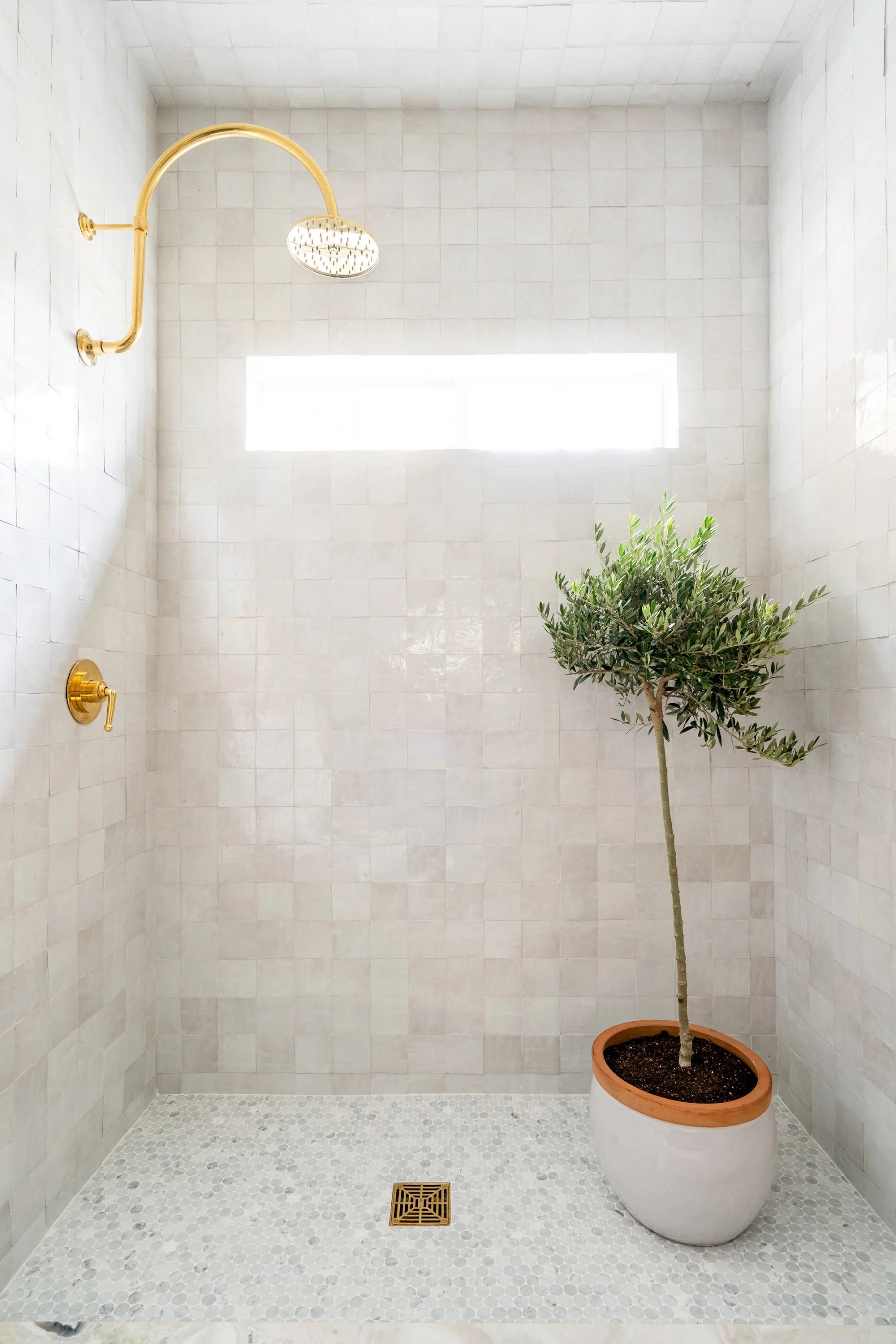
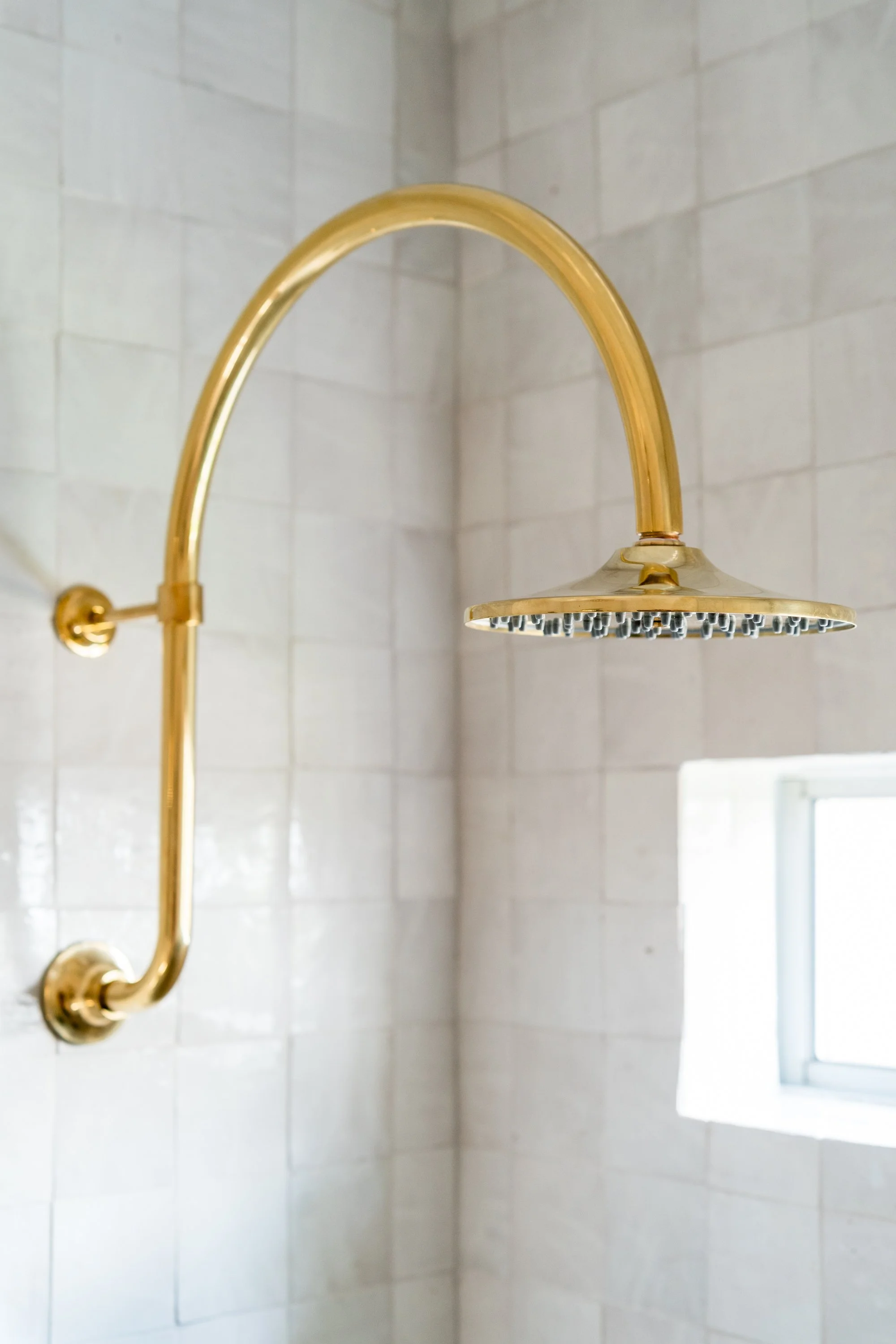
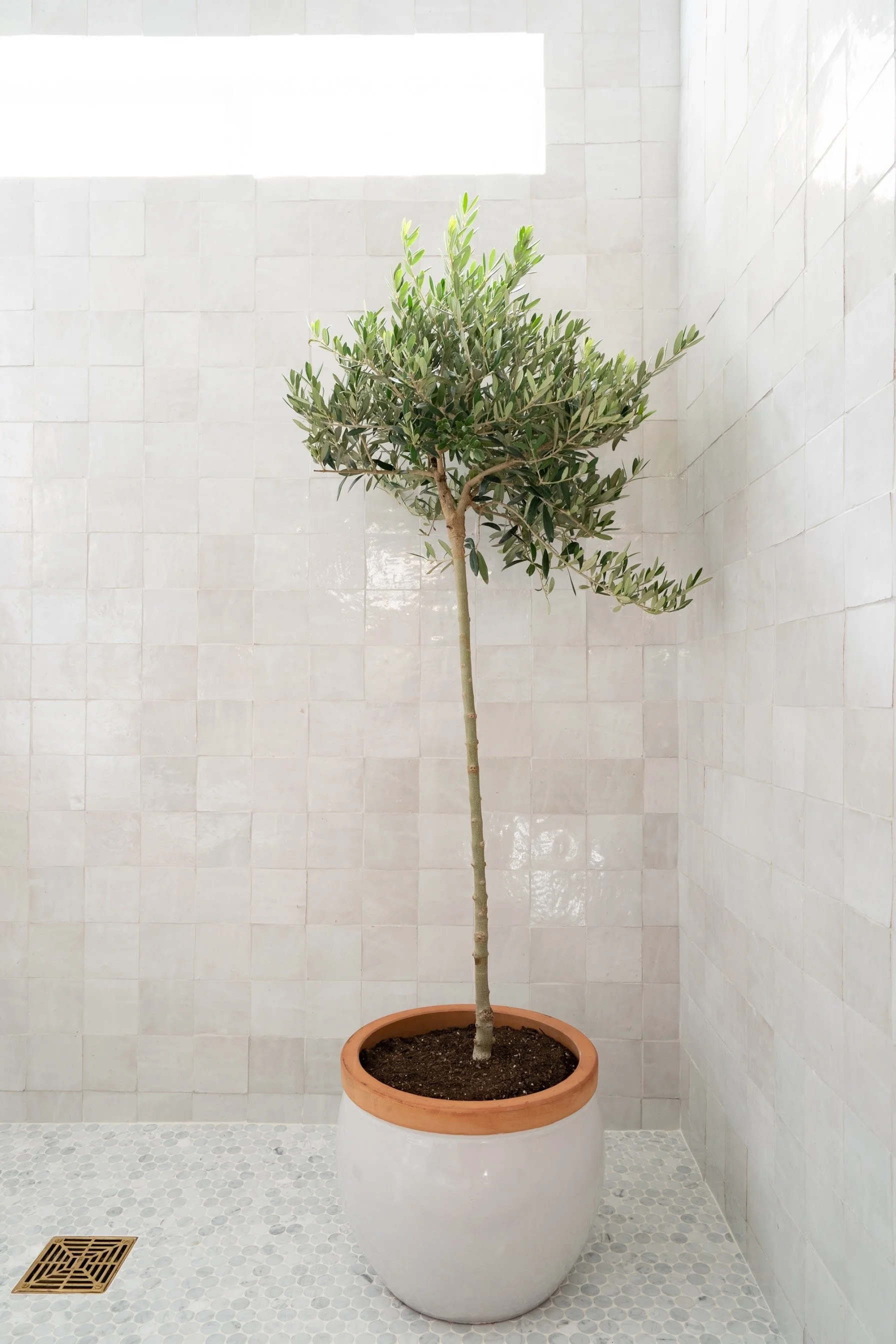
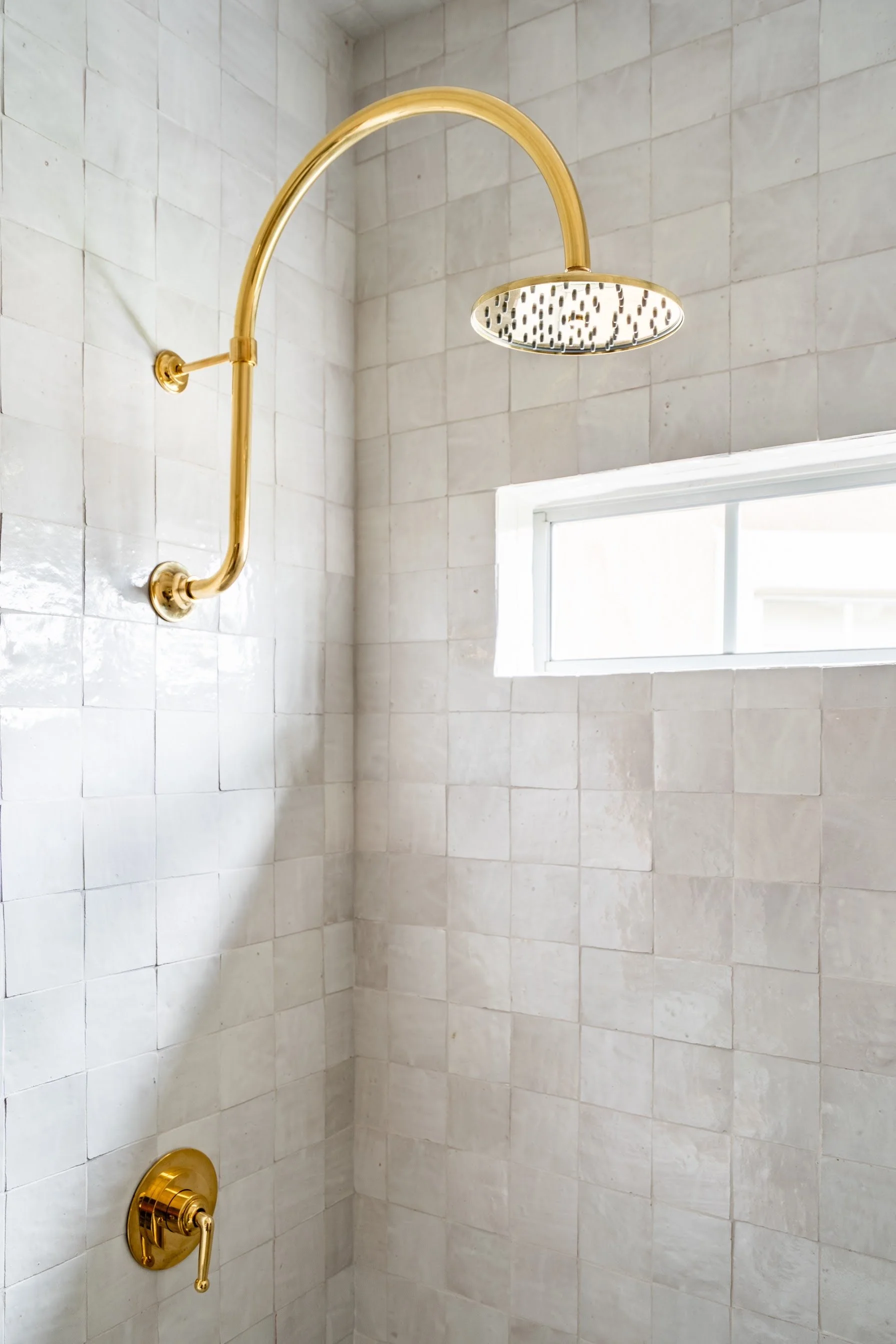
One of the most frequently asked questions I get is about our zellige, so I wanted to put everything you need to know in one place. If you are thinking about using zellige in your next project, this is where to start.
The first thing to understand about zellige is waste. A typical rule of thumb for tile is about 10 percent, but with zellige you should plan for an additional 15 to 20 percent, depending on your tolerance for variation. Because it is handmade, there will be differences from tile to tile, including chips, cracks, color variation, and thickness. The more selective you or your installer are, the more extra material you will need. Since zellige is also on the pricier side, this is an important part of your overall budget to plan for upfront.
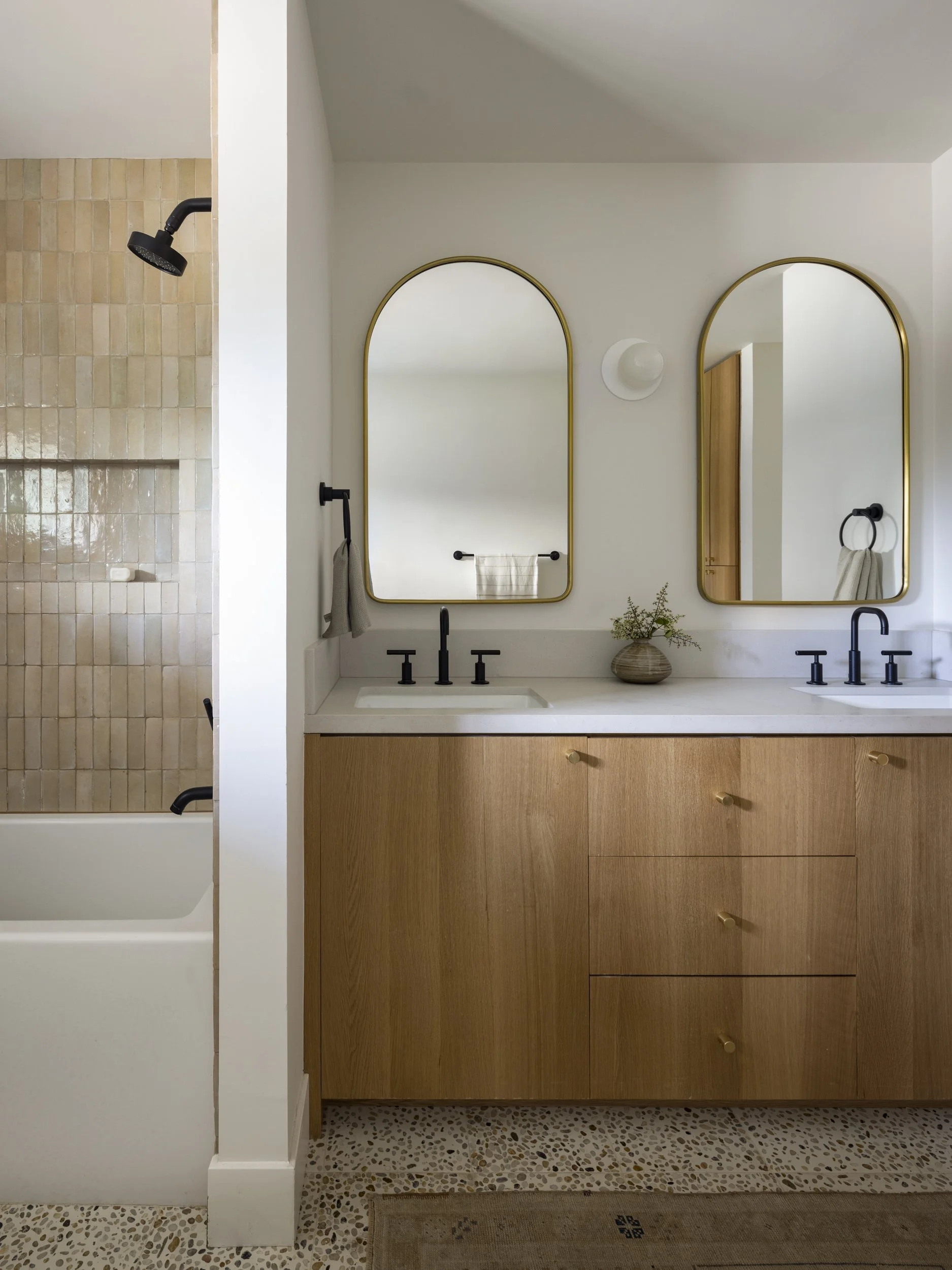
Another big factor is sourcing. For a true, authentic look, it is important to buy from a reputable manufacturer. It can be tempting to cut costs with porcelain or ceramic look-alikes, but they simply do not deliver the same effect. The irregular edges and subtle surface variation are what give zellige that old-world, lived-in feel. With perfectly uniform tiles, you lose a lot of that character.
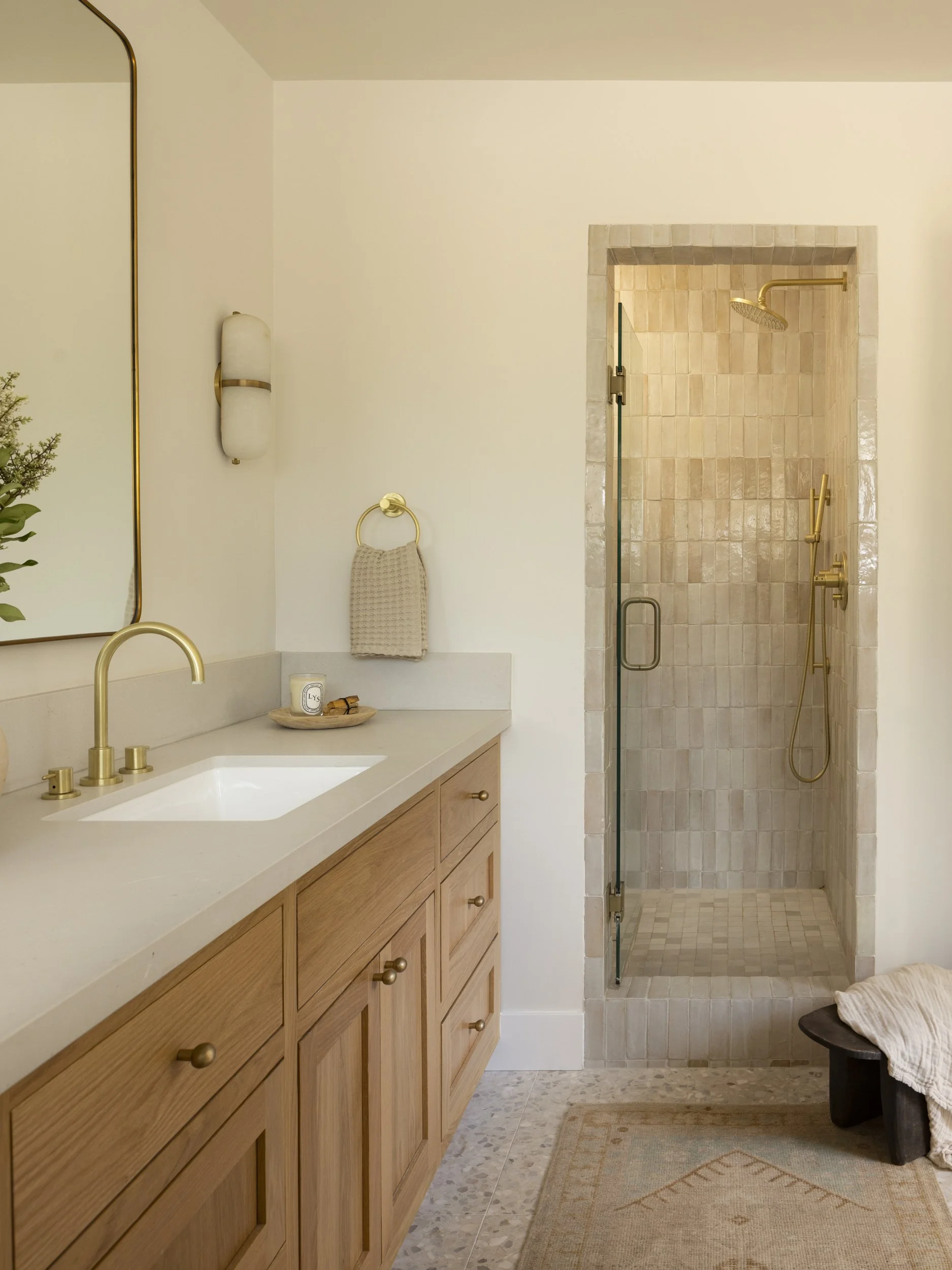
Installation is where things really matter. Hiring a skilled tile setter who has experience with zellige is key. To get that authentic look, your installer should be comfortable with butt-jointing rather than using spacers. If spacers are part of their plan, the finished result will look much more modern and uniform, which is not what most people want from zellige.
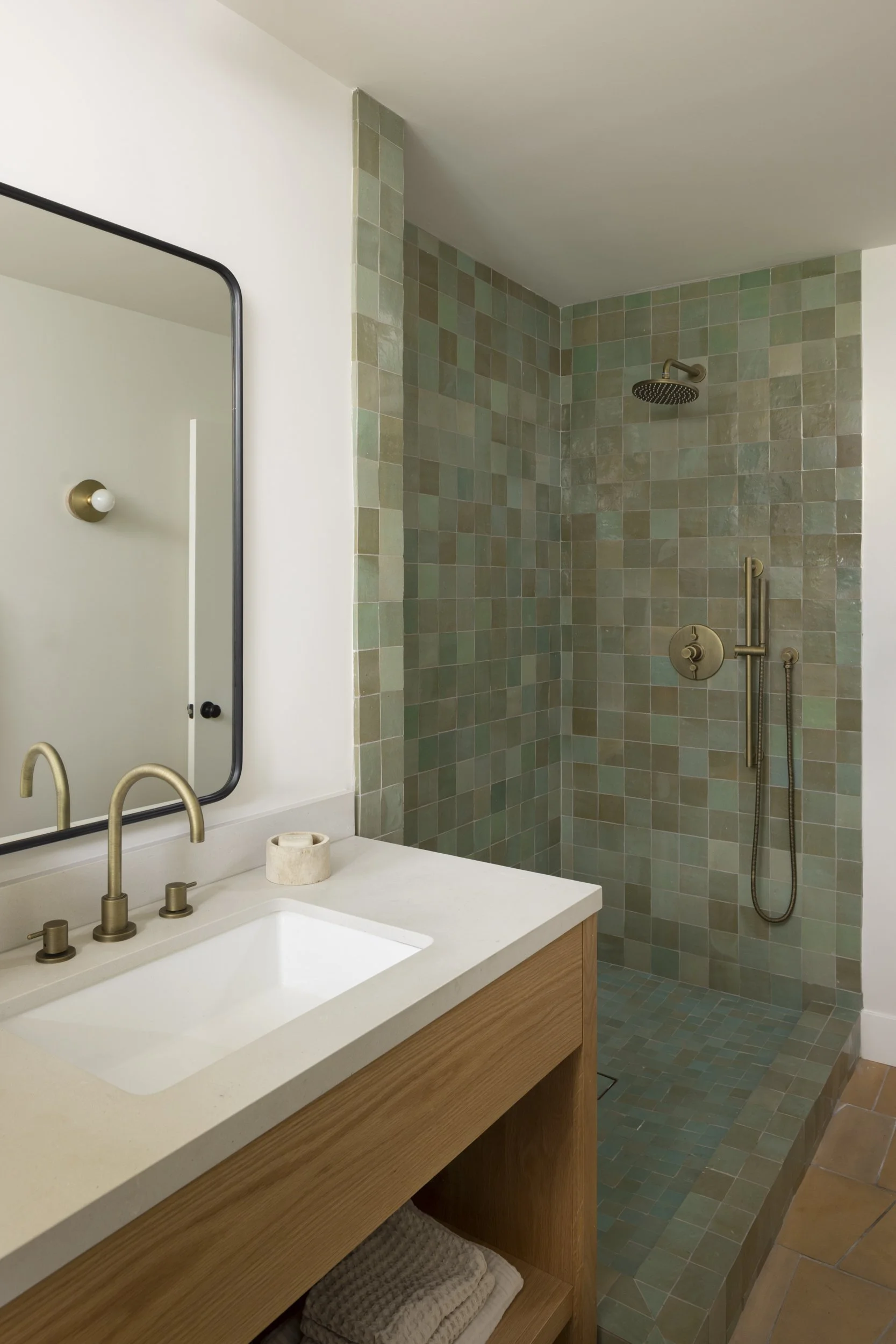
Edge details are another area that requires some thought and early planning. My favorite option is a seamless edge where the drywall is built out to be flush with the tile. This creates a very clean, custom look, but it must be incorporated into the initial design and framing. If that is not an option, and it was not for us either, a mitered edge is another great solution and that is what we chose for our shower. The last option, and the most debated, is Schluter trim. It absolutely has its place, but personally I do not love the look of Schluter when paired with zellige.
Grout choice also plays a big role in the final look. You will want to use an unsanded grout, ideally in a color that closely matches your tile so it does not compete with all of the natural variation. We used Mapei Frost in our shower and were really happy with how it blended.
Finally, a word of caution for perfectionists. Zellige is not perfect and it never will be, and that is the entire point and part of its charm. If you love a more organic, collected, and timeless look, you will probably love it. If you prefer clean lines and total uniformity, zellige may not be the right fit for your space.
Now, how does all of this relate to real estate, especially if you are reading this on a real estate website? If you are planning to live in your home forever, then resale may not be top of mind. But the truth is, most of us sell at some point, so resale value should always be part of the conversation. While most questions about zellige come from a design standpoint, there is also a real estate lesson baked into this choice. Design decisions do not just affect how a home feels to live in, they also affect how buyers perceive value when it is time to sell.
Because zellige is handmade, no two pieces are exactly the same. From a real estate perspective, this kind of detail reads as custom and high-end, even if a buyer cannot quite put their finger on why it feels different from standard tile. That perception matters. Buyers may not know materials, but they absolutely respond to how a space makes them feel.
That said, zellige also comes with higher material costs and more waste. If you are renovating purely for resale, that added expense may or may not make sense depending on your price point and your target buyer. In higher-end and design-forward markets, details like this can help position a home above competing listings. In more entry-level markets, buyers may not value it enough to justify the extra cost.
One of the biggest takeaways for homeowners and sellers is that not all upgrades are about choosing the trendiest product. They are about choosing finishes that photograph well, feel intentional, and appeal emotionally to buyers. Zellige can do all three when it fits the style of the home and the expectations of the buyer pool.
And finally, if you are designing with resale in mind, always consult with your Realtor® first. The best renovations are not always the most expensive, they are the ones that align with the home, the neighborhood, and the buyer you are trying to attract. And if you are planning to live there forever like we are, then hey, go for the zellige.